Diabetes Care (Type 1 & 2)
Type 1 and Type 2 diabetes management with a plan built around you.
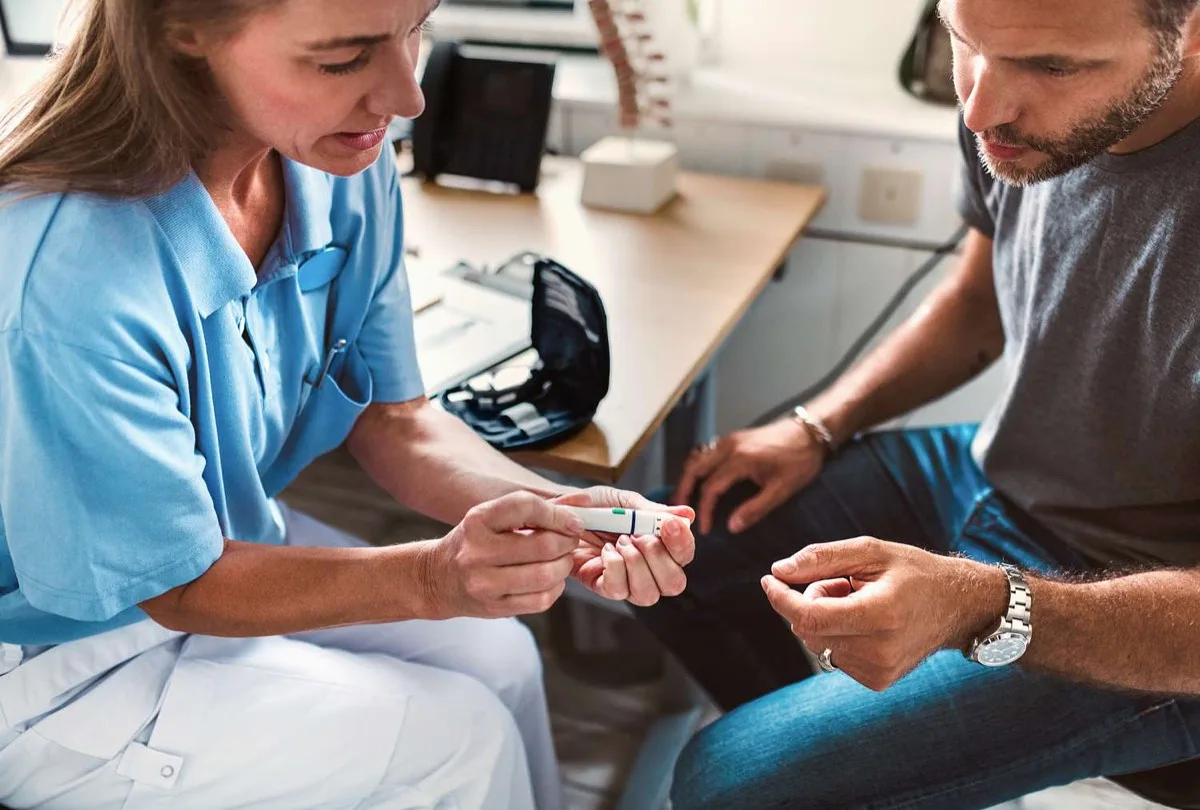
Diabetes can feel overwhelming at first — but with the right partner and a clear plan, it's a very manageable part of a full, healthy life.
What is type 2 diabetes?
In type 2 diabetes, the body either resists insulin or doesn't make enough of it, so sugar builds up in the blood. Left unmanaged, high blood sugar can affect the heart, kidneys, eyes, and nerves over time — which is exactly why steady, proactive care matters.
What about type 1?
In type 1 diabetes the body makes little or no insulin, so insulin therapy is lifelong. We manage the day-to-day care — insulin adjustment, monitoring, and the yearly checks that protect your eyes, kidneys and feet — and coordinate with an endocrinologist where that adds value, such as pump or sensor management.
Symptoms to watch for
- Increased thirst and frequent urination
- Unexplained fatigue or weight change
- Blurred vision
- Slow-healing cuts or frequent infections
- Tingling or numbness in the hands or feet
Risk factors
- Excess weight, especially around the waist
- A family history of diabetes
- Physical inactivity
- High blood pressure or cholesterol
- Being over 35, or a history of gestational diabetes
How Dr. Katari manages your care
We help you understand the numbers that matter — HbA1c and glucose — with most results back the same visit thanks to our on-site lab. Your plan combines medication (including modern GLP-1 options when appropriate) with realistic nutrition and lifestyle coaching, adjusted as we go so it actually sticks.
Know your numbers
HbA1c measures your average blood sugar over the past three months. Below 5.7% is normal, 5.7–6.4% is prediabetes, and 6.5% or higher means diabetes. For most adults with diabetes, the goal is an A1c under 7% — though your personal target depends on your age, health, and history, and we'll set it together.
Living well with diabetes
- Know the signs of low blood sugar — shakiness, sweating, sudden confusion — and keep fast-acting sugar with you if you take insulin or a sulfonylurea
- Check your feet regularly and report sores that won't heal
- Get a dilated eye exam every year
- Keep blood pressure and cholesterol controlled — they multiply risk
- Build meals around vegetables, lean protein, and whole grains
- Aim for about 150 minutes of activity a week — walking counts
What we offer
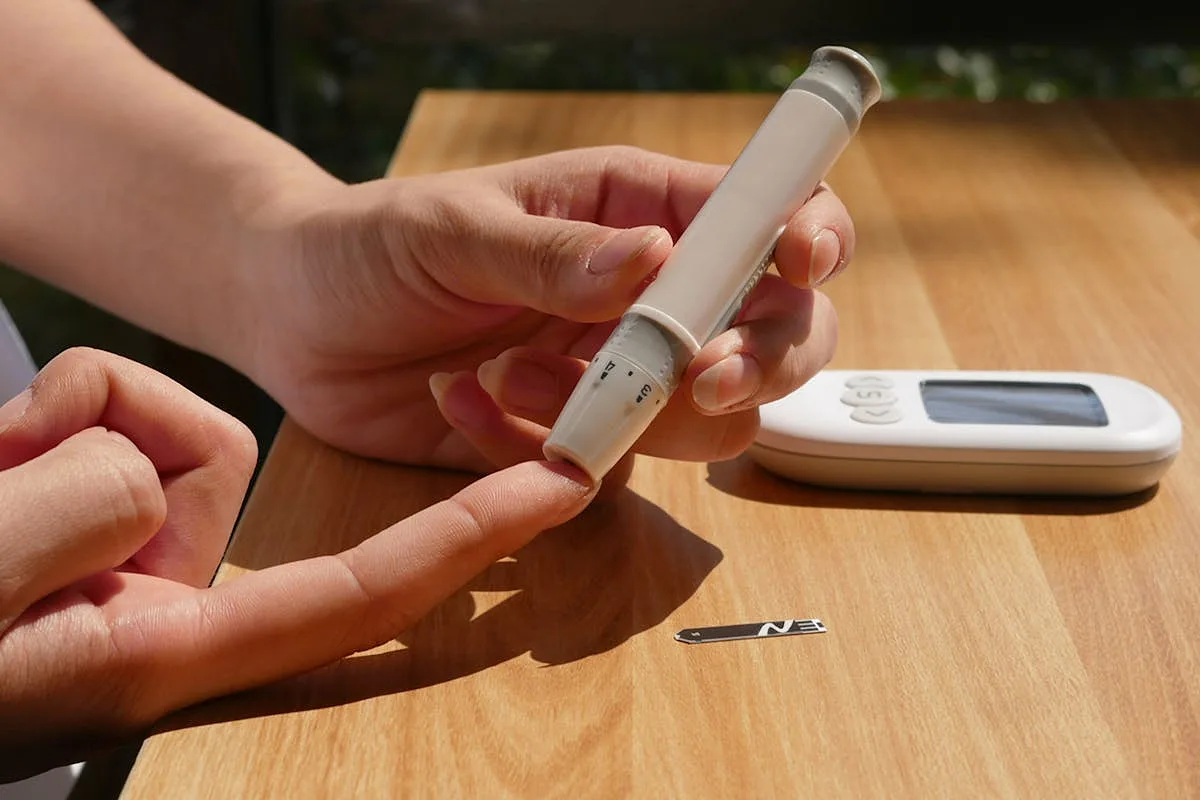
- HbA1c, glucose & insulin monitoring
- Medication management & GLP-1 options
- Nutrition & lifestyle coaching
- Same-day on-site lab results
When to see a doctor
- You have symptoms like excessive thirst, fatigue, or blurred vision
- You have risk factors and haven't been screened recently
- Home glucose readings run high or swing widely
- Symptoms of low blood sugar — shakiness, sweating, sudden confusion. Treat with fast-acting sugar, and call us if it keeps happening
- Blood sugar over 300 with vomiting, confusion, or trouble breathing — seek emergency care
Common questions
Can prediabetes be reversed?
Often, yes. With early changes to diet, activity, and sometimes medication, many people bring their numbers back to a healthy range.
Do you offer GLP-1 medications?
Yes, when they're appropriate for you. We'll discuss the options, the benefits, and what to expect.
How often will I be seen?
It depends on your control and treatment — often every three months, and more frequently while we're adjusting your plan.
Related care
Ready to see a doctor who listens?
Book online in a couple of minutes, or call and our staff will help you find a time.