By Vijay Katari, MD · Internal Medicine & Primary Care
High blood pressure — hypertension — is one of the most common conditions we manage in primary care. It often causes no symptoms at all, which is exactly why it’s worth paying attention to. The good news: with steady habits and regular follow-up, it’s very manageable.
Why it matters
Over time, uncontrolled high blood pressure can quietly strain the heart, blood vessels, kidneys, and brain. Because you usually can’t feel it, the only way to know your numbers is to measure them — at your visits and, often, at home.
Everyday habits that help
- Move most days: regular activity, even brisk walking, supports healthy blood pressure.
- Watch sodium: cooking at home and reading labels makes a real difference.
- Favor whole foods: vegetables, fruits, whole grains, and lean proteins.
- Limit alcohol and don’t smoke.
- Prioritize sleep and manage stress: both influence your readings.
Monitoring at home
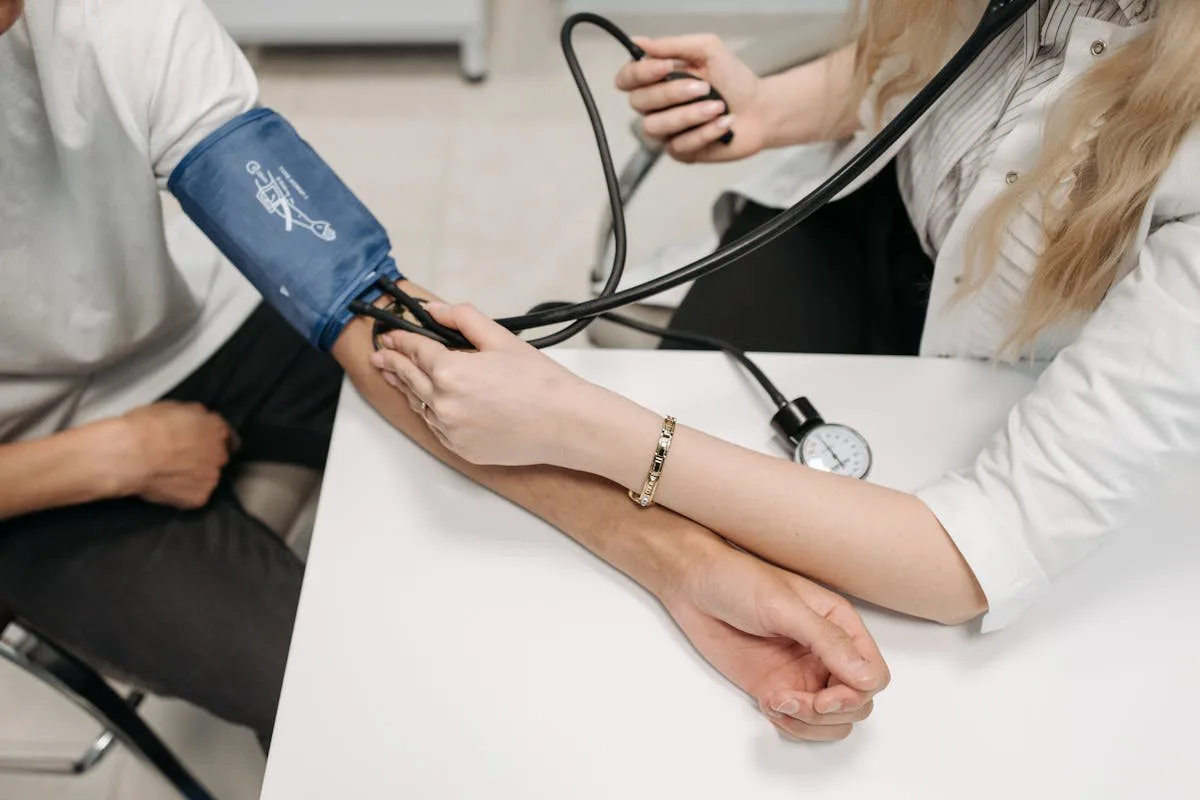
A simple home blood-pressure cuff can be a powerful tool. Measure at the same times each day, rest for a few minutes first, and keep a log to share at your visits. These readings help us see the full picture and fine-tune your plan.
Working with your physician
Managing hypertension is a partnership. Some people do well with lifestyle changes alone; others benefit from medication. If medication is part of your plan, taking it consistently and keeping follow-up appointments is key. A chronic-care follow-up visit is the right setting to review your numbers, medications, and goals together.
The bottom line
You have more control over your blood pressure than you might think. Know your numbers, build steady habits, and stay in touch with your care team.
This article is for general information and is not a substitute for personalized medical advice. Please talk with your physician about what’s right for you.
Related conditions
Book an appointment
Choose a time online with Dr. Vijay Katari, MD at our Frisco or McKinney office, or call (214) 884-2774.