High Blood Pressure
Blood-pressure optimization and careful medication tuning.
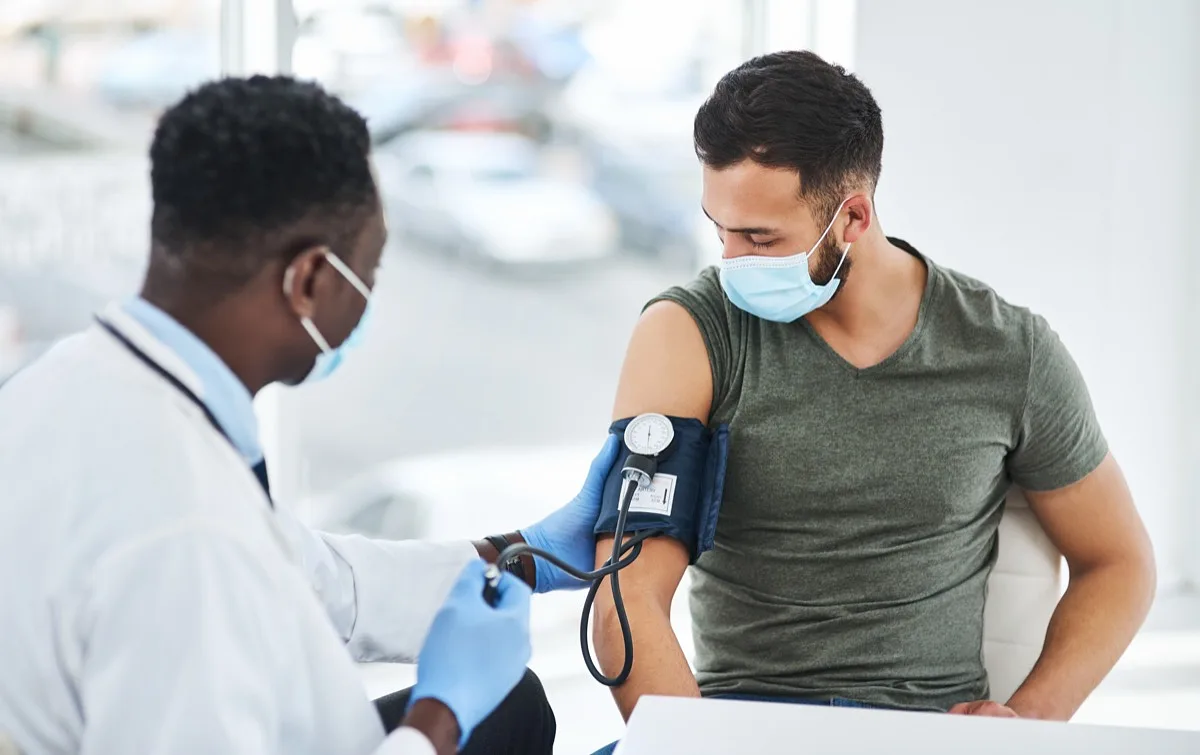
High blood pressure rarely causes symptoms — yet it quietly raises your risk of heart attack, stroke, and kidney disease.
Understanding the numbers
Blood pressure is reported as two numbers, and readings at or above 130/80 mm Hg are generally considered high. Because you usually can't feel it, regular monitoring is the only reliable way to know where you stand.
What raises your risk
- A family history of high blood pressure
- Excess weight and low physical activity
- A high-salt diet, smoking, or heavy alcohol use
- Older age
- Diabetes or chronic kidney disease
How we manage it
Dr. Katari tracks your readings over time and tailors treatment to protect your heart, kidneys, and brain — combining medication when it's needed with sustainable diet and lifestyle changes, then fine-tuning until your numbers are where they should be.
Checking at home, the right way
- Sit quietly for five minutes first, feet flat on the floor
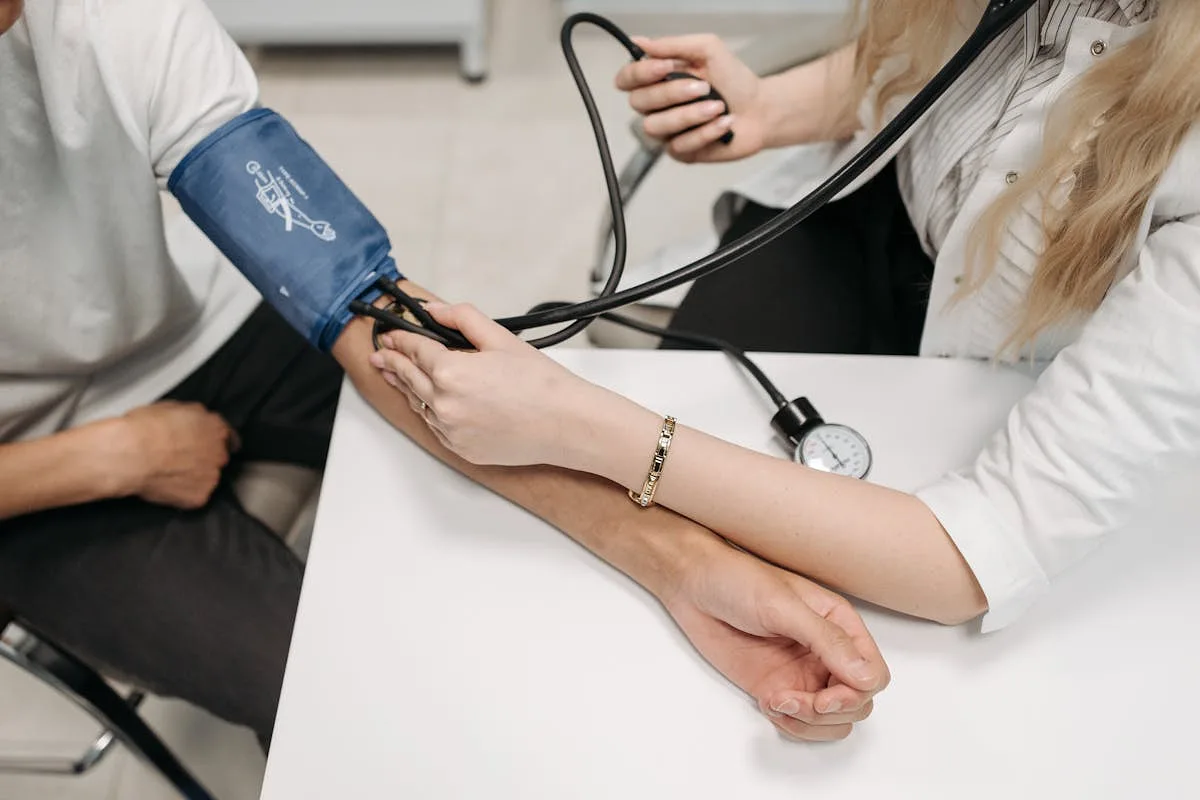
- Rest your arm on a table at heart level
- Avoid caffeine, exercise, and smoking for 30 minutes beforehand
- Take two readings a minute apart, morning and evening
- Bring your log — a pattern tells us more than any single number
Small changes, big results
Lifestyle changes can lower blood pressure as much as some medications, and Dr. Katari will lay them out alongside any prescription so you can decide together. Roughly what each can do on its own: losing 10 pounds, about 10 points; a DASH-style diet rich in fruits and vegetables, 5 to 15 points; eating less salt (toward 1,500–2,300 mg a day), about 5 points; regular exercise, 5 to 10 points. The effects add up.
These figures are typical, not a guarantee — everyone responds differently. Lifestyle changes take time, and medication is often needed for a period until they take hold. There are exceptions, and this is not a standard for every patient.
What we offer
- Regular blood-pressure monitoring
- Medication selection & tuning
- Heart & kidney risk reduction
- Lifestyle & diet guidance
When to see a doctor
- Home readings are consistently above 130/80
- You have headaches, dizziness, or vision changes
- Above 180/120 with chest pain, shortness of breath, weakness, or changes in vision or speech — call 911
- Above 180/120 but you feel fine — sit quietly, recheck in 5 minutes, and call us the same day if it stays there
Common questions
Will I need medication forever?
Not always. Some people lower their pressure through lifestyle changes; others do best with medication. We tailor it to you.
How often should I check at home?
We'll give you a simple routine and show you how to take accurate readings between visits.
Is high blood pressure dangerous if I feel fine?
Yes — that's exactly why it's called the silent condition. Damage can happen without any symptoms at all.
Related care
Ready to see a doctor who listens?
Book online in a couple of minutes, or call and our staff will help you find a time.