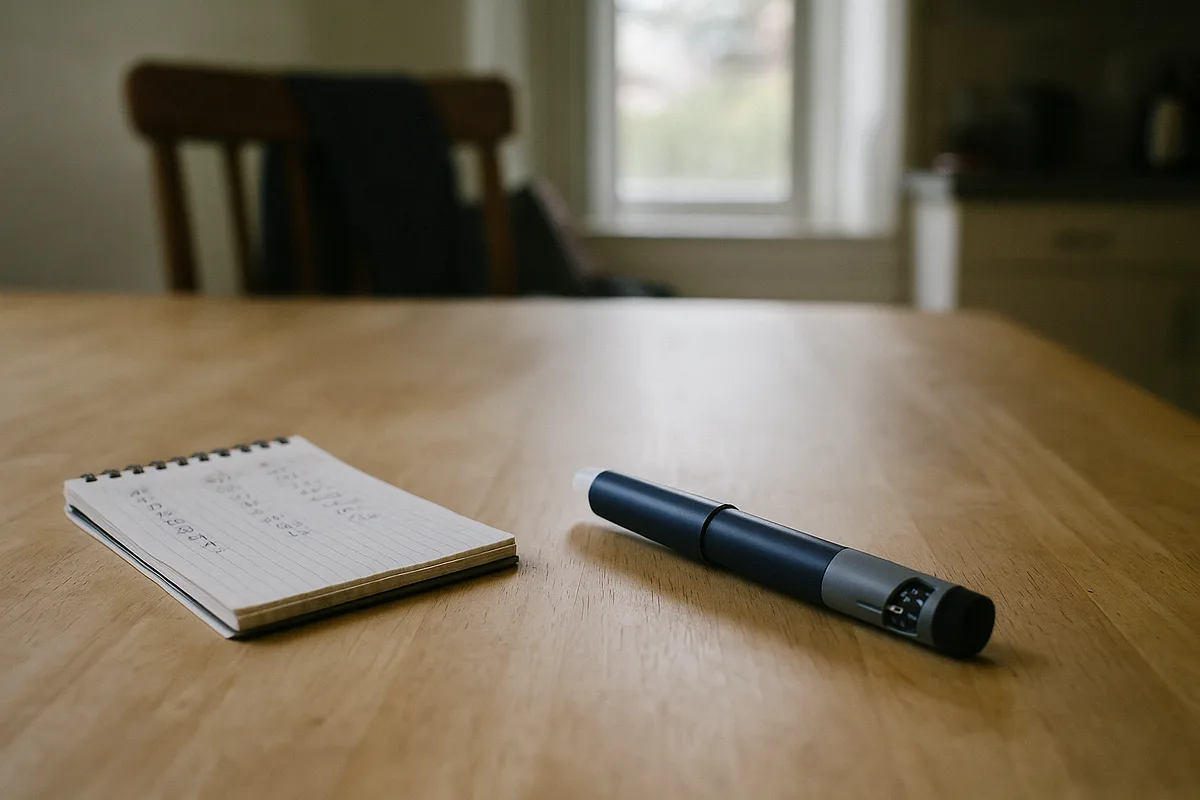
Patient: 70-year-old male | Medications on presentation: Lantus (insulin glargine), Jardiance (empagliflozin), Metformin
The Problem: Recurrent Hypoglycemia
On his first visit, continuous glucose monitor (CGM) data revealed multiple hypoglycemic episodes (blood glucose below 70 mg/dL). The root cause was a mismatch between his insulin regimen and his eating pattern:
- Lantus is a basal (long-acting) insulin that delivers a steady, low-level dose of insulin continuously over 24 hours, regardless of meals.
- He was eating only one large meal per day. This created a predictable and dangerous pattern:
- Postprandial spike — blood sugar rose sharply after his single meal
- Prolonged hypoglycemia — Lantus continued working for the remaining ~20+ hours with little glucose coming in from food
This is a classic and underappreciated cause of recurrent hypoglycemia in older patients on basal insulin.
Why Hypoglycemia Is Especially Dangerous in a 70-Year-Old
Hypoglycemia is not merely uncomfortable — in older adults, it carries serious and potentially irreversible consequences:
- Brain injury and cognitive impairment — glucose is the brain's primary fuel; repeated episodes can cause lasting neuronal damage
- Memory loss and accelerated dementia progression
- Increased risk of sudden cardiac death — hypoglycemia triggers catecholamine surges that can provoke fatal arrhythmias
- Falls and fractures — altered consciousness and neuroglycopenia impair balance and coordination
- Hypoglycemia unawareness — older adults often lose the typical warning symptoms, making episodes harder to detect and more dangerous
The Intervention: Education + Deprescribing
Two parallel actions were taken:
1. Patient Education
- Explained the mechanism of Lantus and why a single-meal pattern created the hypoglycemia cycle
- Discussed the serious consequences of recurrent low blood sugar
2. Dietary Pattern Change
- Patient adopted 3 meals and 2 snacks per day, distributing carbohydrate intake across the day
- This stabilized the glucose profile, reducing the postprandial spike and eliminating the prolonged fasting periods that drove hypoglycemia
3. Insulin Stopped (Deprescribed)
- With a more consistent carbohydrate distribution, Jardiance and Metformin provided adequate glycemic control
- Lantus was safely discontinued
Outcome
- HbA1c: 6.8–7.0% — appropriate target for a 70-year-old, Without Hypoglycemia
- Hypoglycemia: None
- Cognitive status: Memory preserved
- Regimen: Simplified — two oral medications Metformin and Jardiance , no insulin
Key Teaching Points
Deprescribing is an active clinical skill. Adding medications is not always the answer — recognizing when a medication is causing harm and safely removing it is equally important.
Eating patterns must be assessed alongside insulin regimens. A basal insulin dose that is appropriate for three meals a day will be inappropriate for one meal a day, even if the total caloric intake is similar.
HbA1c alone does not tell the full story. An HbA1c of 7.0% can coexist with dangerous glucose variability — CGM was essential here in revealing the hypoglycemic episodes that a routine HbA1c would have obscured.
In older adults, the risks of hypoglycemia often outweigh the benefits of tight glycemic control. Major guidelines including the American Diabetes Association recommend less stringent HbA1c targets (often 7.5–8.0%) for older adults with comorbidities, where hypoglycemia risk is high.
An HbA1c of 6.8–7.0% without hypoglycemia is an excellent outcome for this patient.
This case is a compelling illustration of how behavioral education, dietary restructuring, and thoughtful deprescribing can safely improve a patient's quality of life and eliminate a life-threatening medication risk.
Related conditions
Book an appointment
Choose a time online with Dr. Vijay Katari, MD at our Frisco or McKinney office, or call (214) 884-2774.