Congestive Heart Failure
Coordinated care to protect your heart and your energy.
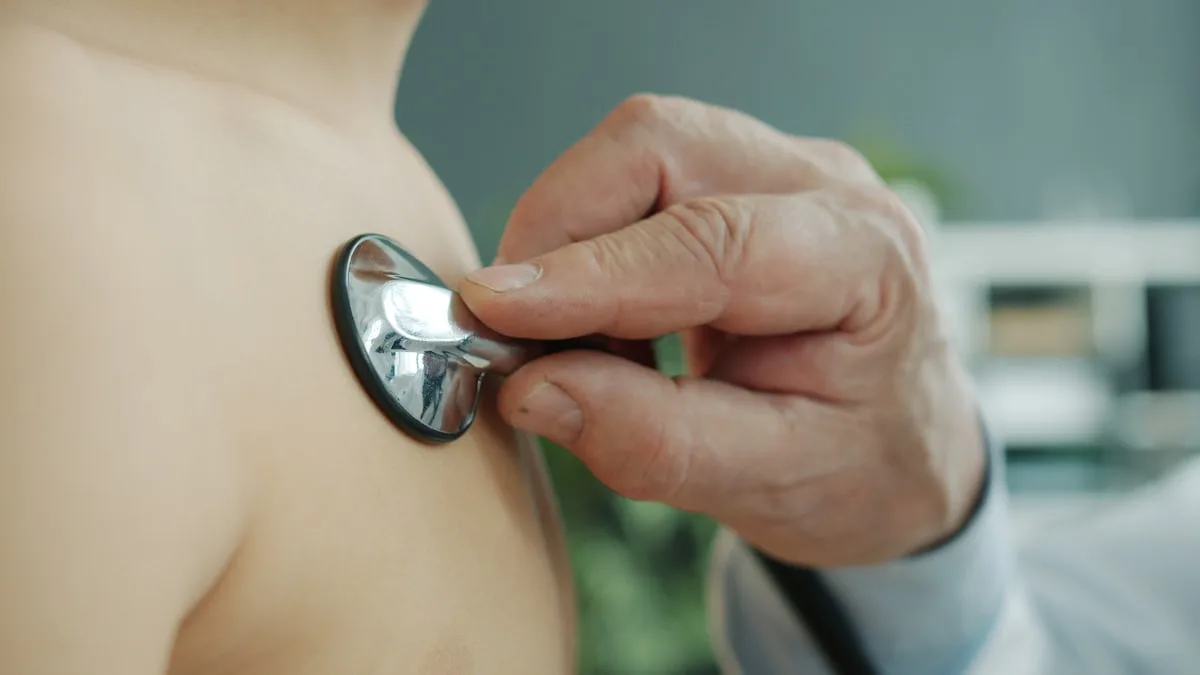
Congestive heart failure calls for attentive, coordinated care — the kind that keeps you steady, energetic, and out of the hospital.
What heart failure actually means
Heart failure doesn't mean the heart has stopped — it means it isn't pumping as efficiently as it should, so fluid can build up and energy can dip. With close management, many people live full, active lives.
Symptoms
- Shortness of breath, especially when lying down
- Swelling in the legs, ankles, or feet
- Sudden weight gain over a few days
- Unusual fatigue or a racing heartbeat
- A persistent cough or wheeze
Our coordinated approach
Dr. Katari tracks your symptoms, medications, and daily weight to catch small changes before they become big problems, and works hand in hand with your cardiologist so nothing falls through the cracks.
Daily habits that protect your heart
- Weigh yourself every morning, after the bathroom and before breakfast
- Keep sodium low — restaurant and packaged foods hide most of it
- Take every medication exactly as prescribed, even when you feel fine
- Follow your fluid guidance if you've been given a daily limit
- Stay active within the limits we set together
Why the medications matter so much
Modern heart-failure medications don't just ease symptoms — taken consistently, they help the heart work better and help you live longer. If cost or side effects ever make you tempted to skip doses, tell us instead of stopping; there is almost always an alternative we can try.
What we offer
- Symptom & daily-weight monitoring
- Medication management
- Coordination with cardiology
- Lifestyle & fluid guidance
When to see a doctor
- Sudden weight gain of 2–3 lbs in a day or 5 in a week
- New or worsening shortness of breath or swelling
- Chest pain or fainting — seek emergency care
Common questions
Why do you ask me to weigh myself daily?
A quick weight gain is often the earliest sign of fluid building up. Catching it early frequently prevents a hospital visit.
Can I still exercise?
Usually yes — the right amount of activity is good for your heart. We'll guide you on what's safe for you.
Is heart failure reversible?
Some causes are treatable. Even when it's chronic, modern treatment can greatly improve symptoms and quality of life.
Related care
Ready to see a doctor who listens?
Book online in a couple of minutes, or call and our staff will help you find a time.